A fireplace is more than just a heat source. It serves as a focal point in a living space, creates a welcoming atmosphere, and can add value and character to a home. Whether you are building a new house, renovating an existing property, or replacing an outdated unit, choosing the right Fireplace Repair Las Vegas requires careful consideration. At the same time, understanding when a fireplace needs repairs is essential for maintaining safety, efficiency, and long-term performance.
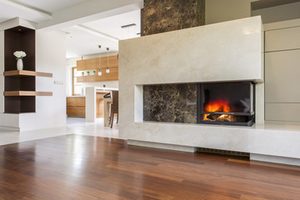
Many homeowners are drawn to fireplaces because of the comfort and visual appeal they provide. However, not all fireplaces are created equal. Different types offer varying levels of heat output, maintenance requirements, installation complexity, and operating costs. Knowing what to look for can help you make an informed decision, while recognising early warning signs of damage can save you from costly repairs and potential safety concerns in the future.
Understanding the Different Types of Fireplaces
Before choosing a fireplace, it is important to understand the main options available. Each type offers unique benefits and drawbacks, making some more suitable for certain homes and lifestyles than others.
Wood-burning fireplaces remain a popular choice for those who appreciate the traditional experience of a real fire. The crackling sound of burning wood and the natural aroma create a cosy atmosphere that many homeowners enjoy. These fireplaces can generate substantial heat, but they also require ongoing maintenance, including chimney cleaning and ash removal. Proper ventilation and routine inspections are essential to ensure safe operation.
Gas fireplaces have gained popularity because they offer convenience and ease of use. With the flip of a switch or the push of a button, homeowners can enjoy instant warmth without the hassle of gathering and storing firewood. Gas models generally require less maintenance than wood-burning systems and can provide consistent heating throughout the colder months.
Electric fireplaces offer another practical solution for modern homes. These units are often easier to install and do not require vents, chimneys, or fuel storage. They can be ideal for smaller spaces or properties where traditional fireplace installation is not feasible. While they may not replicate the exact experience of a real flame, advancements in technology have significantly improved their visual appearance.
Ethanol fireplaces are another option for homeowners seeking a contemporary aesthetic. These fireplaces use clean-burning fuel and often feature sleek, modern designs that complement minimalist interiors. However, they may produce less heat compared to wood or gas systems and are often selected more for ambience than primary heating purposes.
Factors to Consider When Choosing a Fireplace
Selecting the right fireplace involves much more than choosing a style you find attractive. Several factors should influence your decision to ensure the fireplace meets your practical and aesthetic needs.
1. Heating Requirements
One of the first considerations should be the amount of heat you need. Some fireplaces are designed to serve as supplemental heating sources, while others can effectively heat entire rooms or larger portions of a home. Understanding the size of the space and your heating goals can help narrow your options.
A large living area may require a high-output fireplace capable of generating significant warmth. In contrast, a smaller room may benefit from a compact unit that adds comfort without producing excessive heat. Evaluating heat efficiency ratings can also help you identify models that maximise fuel usage while minimising energy waste.
2. Home Layout and Installation Requirements
The structure of your home plays a major role in determining which type of fireplace is most suitable. Certain models require chimneys, flues, or specialised venting systems, while others can be installed with relatively minor modifications.
For existing homes, installation complexity may influence your choice. Retrofitting a traditional fireplace often involves more extensive construction work than installing an electric unit. Understanding these requirements early in the planning process can prevent unexpected costs and delays.
3. Maintenance Expectations
Different fireplaces require different levels of maintenance. Wood-burning fireplaces generally demand the most attention, including routine cleaning, chimney inspections, and fuel storage management. Gas fireplaces require periodic servicing of burners and ventilation systems, while electric units typically involve minimal upkeep.
Homeowners should realistically assess how much maintenance they are willing to perform before selecting a fireplace. A beautiful fireplace can quickly become frustrating if its maintenance requirements exceed your available time and resources.
4. Design and Style Preferences
A fireplace often serves as a key design feature within a home. Its appearance should complement the overall style of the space and contribute to the desired atmosphere.
Whether your home features a rustic, traditional, contemporary, or transitional design, there are fireplace styles available to match. Materials such as stone, brick, tile, and metal can significantly influence the visual impact of the installation. Choosing a design that blends with the existing décor can create a cohesive and attractive living environment.
Signs That Your Fireplace May Need Repairs
Even the highest-quality fireplace will eventually experience wear and tear. Recognising early signs of damage can help prevent more serious issues and maintain safe operation.
One of the most noticeable indicators is visible cracking. Cracks in the firebox, chimney structure, or surrounding materials should never be ignored. Even small fractures can worsen over time, allowing heat and smoke to escape into areas where they should not be present.
Smoke entering the room is another common warning sign. A properly functioning fireplace should direct smoke safely out through the chimney or venting system. If smoke begins spilling into the living area, it could indicate blockages, ventilation issues, or structural damage that requires professional attention.
Unusual odours can also suggest underlying problems. Persistent smoky smells, dampness, or strange burning odours may indicate chimney obstructions, moisture infiltration, or residue build-up that needs to be addressed.
Difficulty starting or maintaining fires may point to airflow issues, fuel system problems, or ventilation concerns. If your fireplace no longer performs as efficiently as it once did, an inspection can help identify the root cause before it develops into a larger repair project.
Common Fireplace Problems Homeowners Encounter
Understanding common fireplace issues can help homeowners identify problems sooner and take appropriate action.
Some of the most frequently encountered fireplace concerns include:
- Creosote accumulation within chimneys.
- Damaged chimney liners.
- Cracked firebox panels.
- Worn or deteriorating mortar joints.
- Blocked chimney caps or vents.
- Moisture intrusion and water damage.
- Faulty gas ignition systems.
- Damaged fireplace doors or seals.
Creosote build-up is particularly concerning because it is highly combustible. As wood burns, deposits accumulate inside the chimney, increasing the risk of chimney fires. Routine cleaning is essential for reducing this hazard.
Moisture damage is another major issue that often develops gradually. Water entering through damaged masonry, flashing, or chimney caps can lead to deterioration of structural components, mould growth, and expensive restoration work if left untreated.
When to Call for Fireplace Repairs
Some minor maintenance tasks can be handled by homeowners, but certain situations require professional evaluation and repair. Delaying necessary repairs can compromise safety and lead to more extensive damage.
You should seek professional assistance if you notice persistent smoke problems, significant cracks, damaged masonry, unusual sounds, or signs of animal intrusion within the chimney system. Gas fireplace issues should also be inspected promptly, especially if ignition problems or irregular flame patterns occur.
Annual inspections are often recommended, even when no obvious issues are present. Regular evaluations help identify developing problems before they become serious and allow homeowners to address maintenance concerns proactively.
Professional inspections can reveal hidden issues that may not be visible during everyday use. Structural weaknesses, ventilation deficiencies, and early-stage water damage often go unnoticed until significant deterioration has occurred. Preventive maintenance can help avoid these costly surprises.
Repair Versus Replacement: Knowing the Difference
At some point, homeowners may need to decide whether repairing or replacing the fireplace is the better option. This decision typically depends on the age of the system, the extent of damage, and the projected long-term costs.
Minor issues such as replacing seals, repairing small cracks, or addressing ventilation concerns can often be resolved cost-effectively through targeted repairs. In these situations, restoration can extend the fireplace’s lifespan and improve performance without requiring a complete replacement.
However, extensive structural damage, recurring safety concerns, or outdated systems with poor efficiency may justify replacement. Upgrading to a newer fireplace can offer improved energy efficiency, enhanced safety features, and reduced maintenance requirements.
Evaluating repair costs relative to the overall value and condition of the existing fireplace can help homeowners make a financially sound decision. A qualified professional can provide recommendations based on the specific circumstances and expected long-term performance.
Tips for Extending the Life of Your Fireplace
Proper care can significantly increase the lifespan of any fireplace while enhancing safety and efficiency.
Consider the following maintenance practices:
- Schedule annual inspections.
- Clean chimneys and vents regularly.
- Address minor repairs promptly.
- Burn appropriate fuel materials.
- Monitor for moisture intrusion.
- Keep ventilation pathways clear.
- Replace worn seals and components when needed.
- Follow manufacturer operating guidelines.
Consistent maintenance not only prevents costly repairs but also ensures that the fireplace remains an enjoyable and reliable feature of the home. Small investments in preventive care often result in significant savings over time.
Conclusion
Choosing the right fireplace involves balancing heating needs, design preferences, installation requirements, and maintenance expectations. Whether you prefer the traditional appeal of a wood-burning fireplace, the convenience of a gas system, or the simplicity of an electric model, selecting the right option can enhance both comfort and property value.
Equally important is understanding when a fireplace requires repair. Paying attention to warning signs such as cracks, smoke issues, unusual odours, and declining performance can help prevent safety hazards and expensive damage. Through regular inspections, timely maintenance, and informed decision-making, homeowners can enjoy the warmth, beauty, and functionality of their fireplace for many years to come.